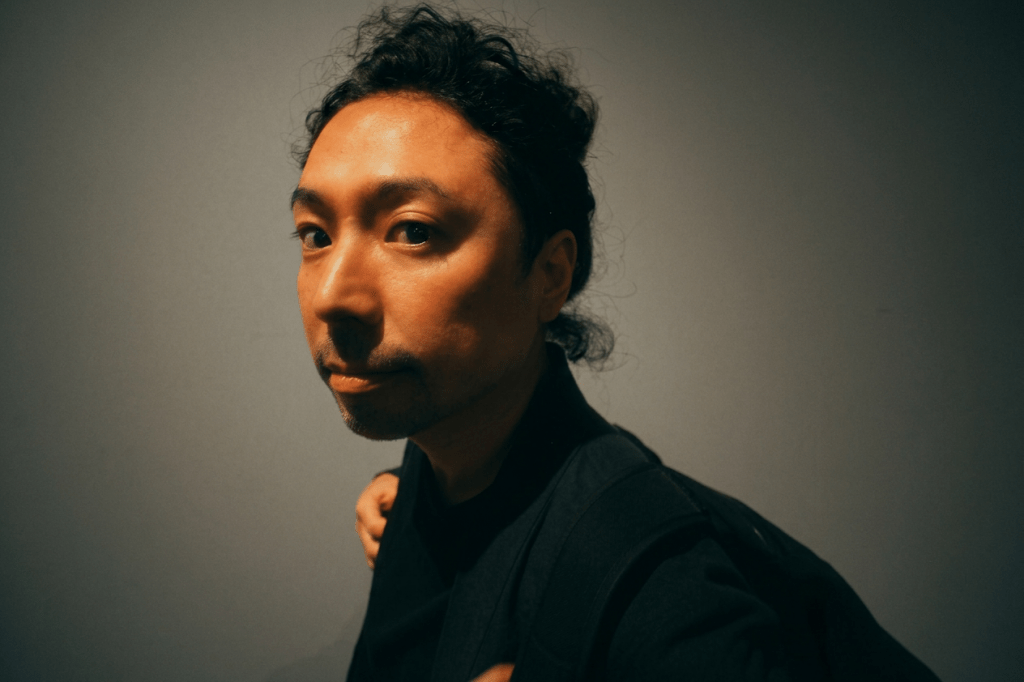

小森 真樹|Masaki KOmori

Professor, Department of British and American Studies, Musashi University

ミュージアム研究/アメリカ文化研究。キュレーター・批評家。武蔵大学人文学部教授、立教大学アメリカ研究所所員。東京大学大学院博士課程修了。テンプル大学、東京外大AA研を経て現職。

文化人類学と歴史学を手法に、ミュージアムや表象文化について研究しています。現代アメリカの文化戦争や脱植民地化の動向を手がかりに、ミュージアムと民主主義、公共性の関係について考えています。

展覧会やアートプロジェクト、出版も行っています。これらを研究を公共にひらく場としてだけでなく、人びとが対話しながら知識や経験を協働的に生成するための実践と捉えて活動しています。

CV:
RESEARCHMAP
ACADEMIA.COM

Masaki Komori

This site gathers my curatorial projects, writings, and teaching materials related to museum studies and American cultural studies. Here you will find information on past and current exhibitions, essays and catalogue texts, public talks, and university courses, as well as reflections on curating across languages, regions, and institutional frameworks.

このサイトでは、ミュージアム研究とアメリカ文化研究に関連するキュレーションプロジェクト、執筆活動、および教育資料をまとめています。ここでは、著作、展覧会、エッセイやカタログの解説文、公開講演、大学での講義に関する情報をご覧いただけます。
A minimalist lecture podium in a small museum auditorium, holding a slim stack of annotated lecture notes printed on crisp ivory paper, each page marked with fine pencil underlines and discreet sticky flags in muted blues and ochres. A black gooseneck microphone arcs elegantly over the top, while a closed charcoal-grey notebook and a fountain pen with a matte black barrel rest to the side. Behind, rows of empty, dark fabric-upholstered chairs fade into soft blur. Warm, focused stage lighting illuminates the podium surface, creating gentle highlights on the paper edges and pen clip. Photographic realism with a medium close-up, low angle that foregrounds the notes and microphone, evoking an intimate, anticipatory atmosphere for talks on museum and cultural studies.
An empty, impeccably lit museum gallery with smooth off-white walls and a polished, slightly reflective concrete floor, prepared for a new exhibition. Narrow, adjustable track lights in the ceiling form a subtle grid, casting controlled pools of warm light on the bare walls, leaving the floor in cooler shadow. Low benches of pale ash wood sit symmetrically along the center axis, and discreet wall labels await future artworks. Photographic realism with a wide-angle lens at eye level, emphasizing the volume and silence of the room. The atmosphere feels anticipatory, refined, and contemplative, suggesting the careful, unseen labor of curating and exhibition design in American and global cultural contexts.

About Masaki Komori

Masaki Komori is a curator and researcher working at the intersection of museum studies and American cultural studies. Trained in both art and cultural history, he explores how exhibitions can question national narratives, race, migration, and memory in transpacific contexts. His projects range from collaborative, research-driven shows in museums to experimental displays in community spaces, always foregrounding critical pedagogy, multilingual access, and dialogue between Japan and the United States.

小森真樹(こもり・まさき)。ミュージアム研究者、キュレーター、批評家。武蔵大学人文学部教授、立教大学アメリカ研究所所員。東京大学大学院総合文化研究科博士課程修了後、テンプル大学歴史学部研究員、アジア・アフリカ言語文化研究所ジュニア・フェローを経て現職。専門は、アメリカ文化研究及びミュージアム研究。ミュージアム論、パブリック・ヒストリー、文化人類学を軸に、歴史修正、戦争の記憶、ジェンダーと人種、脱植民地化、地域文化政策などを横断して執筆を行う。雑誌・展覧会・オルタナティブスペースなどの企画も実施。

紹介

Biography 略歴

Masaki Komori is a Tokyo-based curator and scholar focusing on modern and contemporary visual culture, museum practices, and American cultural studies, with a particular interest in race, empire, and transpacific encounters. He has organized and contributed to exhibitions that rethink how archives and collections narrate histories of migration, war, and everyday life, often working collaboratively with artists, educators, and local communities.

小森真樹は、近現代ビジュアル・カルチャー、ミュージアム・スタディーズ、アメリカ文化研究を専門とするキュレーター/研究者です。植民地主義、人種、移動の歴史を、資料・作品の展示を通してどのように語り直せるのかをテーマに、国内外の美術館や大学、オルタナティブ・スペースで企画・教育活動を行っています。英語と日本語のあいだを往復しながら、異なる来館者が交差する場としてのミュージアムの可能性を探っています。
A pristine exhibition model of a gallery space in 1:50 scale, constructed from smooth white foam board and thin basswood walls, displayed on a long dark walnut table. Tiny plinths and movable partition walls are carefully positioned, with miniature labels and wall texts rendered as delicate grey lines. A grid of colored Post-it notes and red pencil marks surround the model, hinting at in-progress curatorial decisions. Soft studio lighting from above casts crisp, architectural shadows that highlight the geometry of the layout. Photographic realism with a slightly elevated three-quarter angle, capturing the entire table and part of the neutral studio floor, creating a contemplative, analytical atmosphere that emphasizes curatorial design as both intellectual and spatial practice.